Introduction
In an increasingly interconnected world, the diversity of cultures within communities brings both abundant customs and intricate obstacles, particularly relating to healthcare and emergency treatment practices. The essence of effective emergency treatment is not almost recognizing just how to deal with injuries but additionally regarding understanding the social and social ins and outs that control authorization. The write-up "Getting Authorization Across Cultures: Navigating First Aid in Diverse Communities" aims to look into these nuances, checking out exactly how cultural perspectives form permission in first aid scenarios and the duty it plays in community health.
Gaining Approval Across Cultures: Navigating First Aid in Diverse Communities
Understanding the idea of consent is vital, especially when administering emergency treatment across different social landscapes. In numerous areas, the perception of approval can differ substantially based on standards, beliefs, and previous experiences with medical care systems.
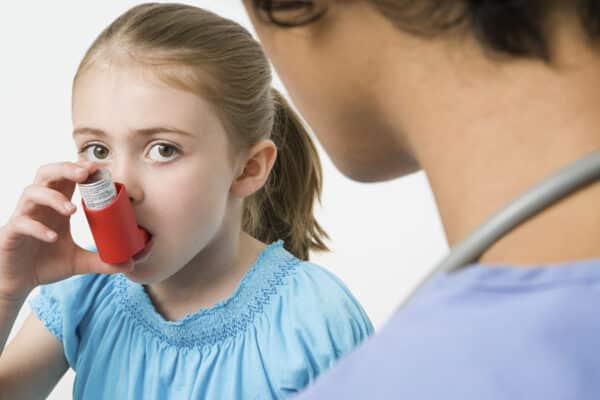
The Relevance of Approval in First Aid
Before any type of clinical intervention can occur, permission is vital. This principle makes certain respect for an individual's freedom and legal rights. However just how does this use throughout Local First Aid Courses in Sunshine Coast different societies?
- Cultural Sensitivity: Recognizing that some cultures may need family authorization as opposed to individual authorization is crucial. Communication Barriers: Language distinctions might avoid clear communication, making it vital for initial responders to use interpreters or culturally qualified volunteers.
The Function of Cultural Norms in Wellness Decisions
Cultural standards determine how individuals perceive health and wellness problems and reply to therapies. For example:

- In some societies, traditional medicine might take precedence over Western clinical practices. Religious ideas may affect choices related to blood transfusions or certain clinical interventions.
Establishing Count on Within Diverse Communities
Building trust fund is an essential part of obtaining authorization in diverse setups:
Engagement: Include neighborhood leaders or seniors who can promote discussions around wellness topics. Education: Conduct workshops that explain the need of emergency treatment and emergency situation responses within specific social contexts.Founding of St John Ambulance: A Historic Perspective
St John Rescue stands as a beacon for first aid education and learning around the world, based on concepts that align very closely with gaining authorization throughout cultures.
Historical Significance
Founded in 1887, St John Rescue has actually evolved to become associated with emergency treatment training and emergency situation services.
Impact on Area Health
The company highlights available training programs customized for varied communities:
- Their campaigns commonly consist of multilingual materials to satisfy non-English-speaking populations. St John Rescue teams up with local organizations to boost engagement from numerous cultural backgrounds.
Essential Home Items for First Aid Preparedness
A well-appointed first aid set can make all the difference during emergencies. Here's what you need:
Adhesive Bandages: For small cuts and scrapes. Antiseptic Wipes: Important for cleaning wounds. Gauze Pads: To cover larger wounds effectively. Thermometer: Vital for monitoring body temperature.Creating a Portable Set for On-the-Go Emergencies
For those who take a trip frequently or engage in exterior tasks, having a portable set is vital:

- Include small things like adhesive tapes and disinfectant wipes. Consider adding products relevant to your activities (e.g., insect repellent).
First Help Strategies: Practical Understanding Across Cultures
Tilting Head Back for Nosebleeds: A Typical Practice?
One usual strategy suggested throughout nosebleeds is turning the head back; nevertheless, this varies by culture:
- In some areas, it's suggested to lean onward instead to prevent swallowing blood.
Key Takeaway: Constantly ask people their preferred approaches before proceeding with treatment.
Fall Avoidance Tips Tailored for Different Age Groups
Understanding fall risks amongst different age can aid customize avoidance approaches:
Elderly Populace: Promote home adjustments such as setting up grab bars and getting rid of clutter. Children: Urge secure backyard without hazards.Recognising Pet dog Distress During Emergencies
In many homes, animals are taken into consideration family members; hence identifying their distress throughout emergencies becomes essential:
Look for indicators like too much barking or hiding behavior. Approach pets smoothly prior to trying any form of emergency treatment if they are injured.Treating Minor Injuries on Yourself: Self-Care Strategies
Having understanding regarding treating minor injuries can equip people:
Apply pressure on hemorrhaging wounds till they stop bleeding. Clean cuts with soap and water before applying a glue bandage.Bushfire Season Injuries: Area Preparedness Strategies
Bushfire season positions special difficulties depending upon geographic places:
- Being familiar with local fire guidelines can help family members in developing retreat plans.
Emergency Pointer: Keep a fire extinguisher available in all times! Recognizing exactly how to run one properly might conserve lives during a fire outbreak.
Kitchen Knife Cuts: Prevention & Therapy Guidelines
In lots of homes, kitchen mishaps are common due to inappropriate handling of blades:
Prevention
Always make use of reducing boards to avoid slips. Store knives safely out of reach from children.Treatment
If you struggle with a cooking area knife cut:
Rinse under amazing water immediately. Apply pressure with a tidy cloth until bleeding stops.First Aid Recognition Campaigns: Linking Gaps Throughout Cultures
Effective projects should take into consideration cultural choices when promoting understanding regarding first aid techniques:
Collaborate with neighborhood influencers that understand neighborhood needs. Offer multi-language sources that reverberate culturally.FAQs
1. What should I do if I'm uncertain about getting consent?
Always prioritize clear communication; if required, get in touch with someone aware of the person's cultural background.
2. Exactly how can I prepare my family for emergencies?
Create a comprehensive emergency strategy First Aid Course in Sunshine Coast that includes practicing drills with each other regularly.
3. Exist details first aid techniques much better matched for certain cultures?
Yes, various neighborhoods might have preferred approaches based on their practices-- constantly ask prior to waging treatment!
4. Just how commonly should I freshen my first-aid kit?
It's great practice to inspect your set every six months and change ran out products promptly!
5. Why is it vital to acknowledge pet distress during emergencies?
Pets experience stress just like people; recognizing their distress aids keep them soothe during disorderly situations!
6. What sources are available for discovering more regarding culturally delicate first-aid practices?
Many companies offer training courses focusing on variety in health care; check regional listings or community centers!
Conclusion
Navigating the complexities surrounding "Getting Consent Throughout Cultures: Navigating First Aid in Diverse Communities" entails acknowledging the myriad ways culture shapes our understanding of healthcare and emergency feedback procedures. By cultivating open discussion and respecting diverse perspectives while making certain correct training with organizations like St John Rescue, we can better equip ourselves-- and our areas-- to handle emergencies effectively while recognizing individual rights throughout cultures.
In verdict, as we proceed our journey towards boosted neighborhood health through reliable interaction and education concerning first-aid practices tailored towards multiculturalism-- together we improve strength versus unforeseen challenges!